University of San Francisco Law Clinic Files 15 Landmark UN Complaints on Behalf of Kenyan Workers Disabled Under Saudi Arabia’s Kafala System
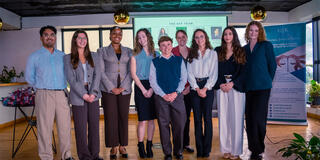
The International Human Rights Clinic at the University of San Francisco (USF) School of Law, in partnership with Global Justice Kenya, today filed an unprecedented 15 complaints with the United Nations Committee on the Rights of Persons with Disabilities (CRPD).
The complaints seek accountability for grave human rights violations of Kenyan migrant domestic workers who became disabled due to abuse and neglect while working in Saudi Arabia under the kafala system. Aligned with World Day for Safety and Health at Work (April 28), the filings represent a novel legal strategy that uses an international disability rights treaty to challenge labor exploitation.
“When a system fails to protect migrant workers whom people have taken into their homes as employees, accountability is essential,” said Maryfin Kemunto Maisiba, one of the 15 complainants, who survived a stroke at age 28 due to harsh work conditions and physical abuse. “Acquiring a disability through abuse or neglect is an injustice and burden that no one should be forced to carry.”
In Saudi Arabia, the kafala system allows employers to “sponsor” migrants to work in the country. This system binds the migrants’ legal statuses to their employers, rendering those migrants without rights, freedom of movement, or agency while in Saudi Arabia. In 2005, Saudi Arabia expressed an intention to reform the kafala system. Since then, numerous legislative efforts have aimed to improve migrant labor protections, but all have expressly excluded domestic workers from legal remedies.
As such, Saudi employers are allowed to treat the migrant workers they’ve sponsored with impunity, resulting in migrants who arrive in Saudi Arabia healthy, but who return to their home countries permanently disabled. Saudi sponsors frequently denied disabled migrant domestic workers necessary accommodations and timely medical treatment, which Saudi Arabia is obligated to ensure under international law.
Fourteen of the complainants are survivors now living in Kenya. A fifteenth complaint was filed by the mother of a 27-year-old woman who died of meningitis after being denied timely medical treatment while working in Saudi Arabia.
Ruben Vergara-Murayama, a second year USF law student who traveled to Kenya in March 2026 and was part of a team that conducted interviews with 40 survivors, reflects on this advocacy effort: “Law school teaches you to analyze problems. The Clinic has taught me to think creatively about building solutions and legal strategies that best serve the interests of the clients. When we traveled to Nairobi, we heard directly from the survivors on how the kafala system enables the conditions and treatment that led to these women acquiring serious disabilities—blindness, paralysis, chronic pain.”
By using stories gathered through the firsthand interviews in Kenya, the complaints describe how these women incurred their disabilities; how their employers forced them to continue working while actively denying them the necessary medical attention; and how these injuries have affected them, both financially and in their day-to-day lives.
Professor Lindsay M. Harris, director of the USF School of Law International Human Rights Clinic summarizes this effort: “These women returned to Kenya with spinal injuries, chemical burns, untreated cancers, and conditions that never had to become permanent disabilities. Filing 15 individual complaints with the CRPD Committee is unprecedented, as is the use of this treaty body to raise issues at the intersection of disability and migrant justice. These complaints ask the Committee to understand that the kafala system doesn’t just exploit workers, it disables them.”