Image
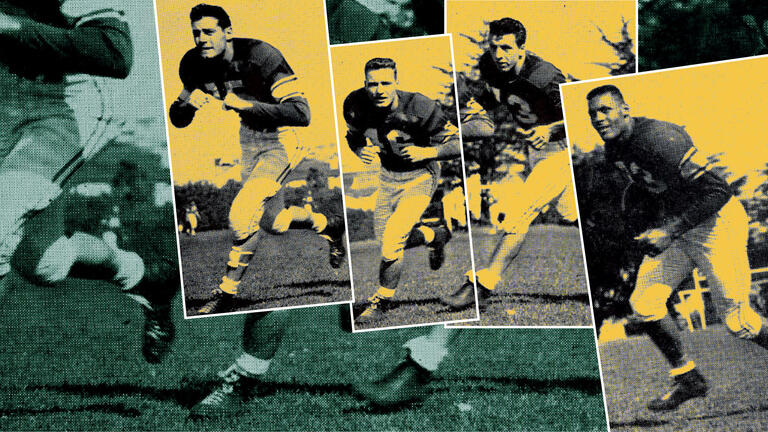
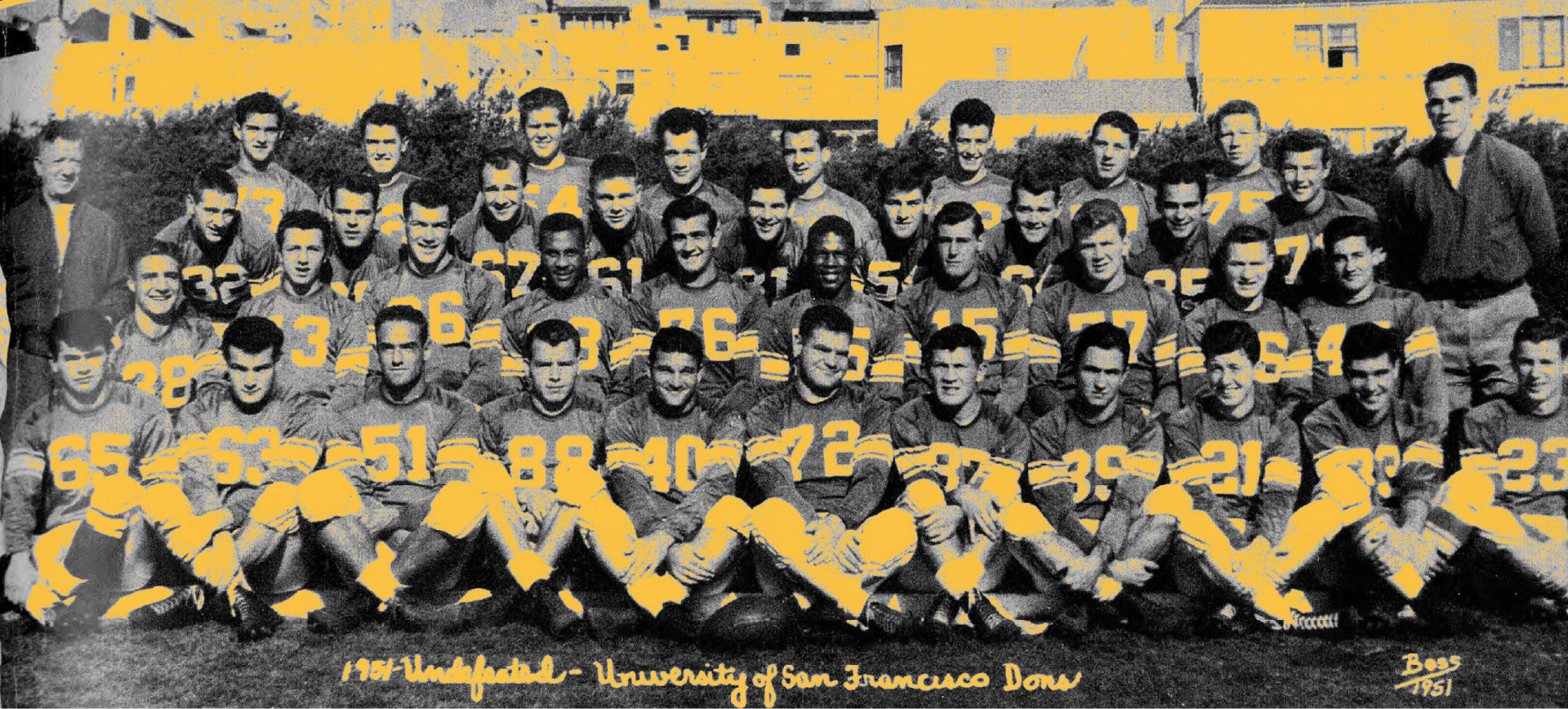
They might be the greatest team you’ve never heard of. But today, 75 years later, the ’51 Dons have more fans than ever, thanks to a choice they made off the football field.
It was a split-second decision made by a group of men in their teens and early 20s. They had played a perfect 9–0 season, earning them an invite to the Orange Bowl in Miami, Florida.
But the offer came with strings attached.
Only the white players could go. The team was told its two Black players, Ollie Matson and Burl Toler, were not invited.
“We told them to go to hell,” Bill Henneberry, the Dons' backup quarterback, said many years later. "If Ollie and Burl didn’t go, none of us were going.”
If Ollie and Burl didn’t go, none of us were going.”
Bill Henneberry
They stood together when it mattered most. But they gave up the glory of national recognition, and it cost USF its football program, which folded immediately afterward. The university had seen dwindling interest in football, and could not support the program’s $70,000 annual budget without the sponsorships a bowl game could have provided, says Kristine Clark EdD ’98.
“They needed that Orange Bowl game to keep the program going, and without it the program was going to dissolve, and it did,” says Clark, author of Undefeated, Untied, and Uninvited, a book about the team.
“The ’51 Dons were extraordinary because their decision wasn’t about making a statement,” Clark says. “It was about doing the right thing, backing up your friends, and fighting for your family.”
When the Dons turned down the Orange Bowl offer, there wasn’t any significant news coverage about it, and the returning players had to scramble to transfer to schools with active football programs. The perfect season was left behind.
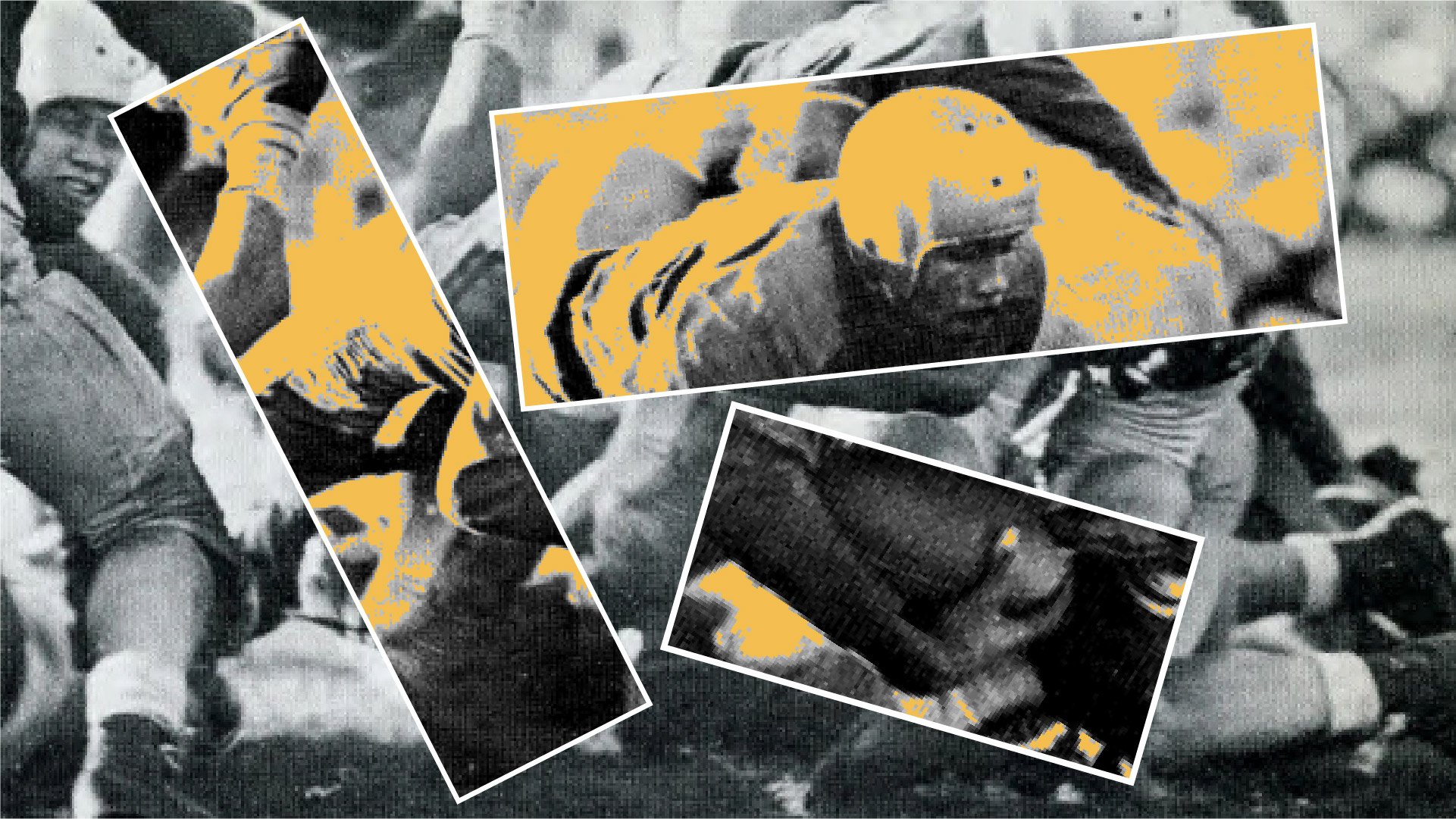
Tom Davis is a USF sport management instructor, chief marketing officer for the Big West conference, and writer and producer of the ESPN documentary “’51 Dons,” which first aired in 2014.
The one-hour documentary includes interviews with five of the team’s members, who have all since passed, and focuses on the brotherhood among the teammates more than a half-century after their storied season.
“I’ve never been able to replicate the feeling [making this film] gave me,” Davis says. “This is still the story I tell when I speak to groups.”
The 1951 USF football team is considered one of the great teams in college football history, Davis says, with 11 of its starting players drafted into the NFL, including three Hall of Famers — Gino Marchetti, Matson, and Bob St. Clair. Five others on the squad — Ed Brown, Joe “Scooter” Scudero, Ralph Thomas, Mike Mergen, and Lou “Red” Stephens — went on to join NFL teams.
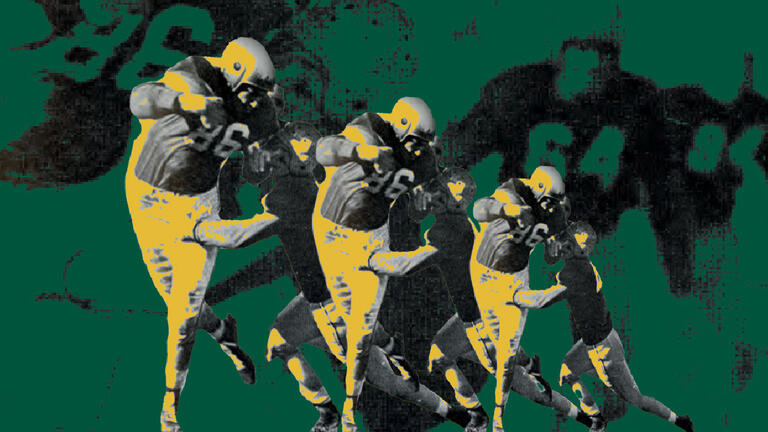
Toler, the other member of the starting line-up, went on to be the first Black football official in the NFL, serving for 25 seasons from 1965 to 1989. He earned a science degree from USF in 1952 and added a master’s degree in 1966. He was a teacher at Benjamin Franklin Middle School and then the first Black secondary school principal in San Francisco. Benjamin Franklin was renamed in his honor in 2006, and in 2017, a residence hall at USF was, too.
Growing up in Memphis, Tennessee, Toler picked cotton to earn money in high school and had never played football until he was asked to walk on the field at City College of San Francisco, where he met Matson. The two men helped lead the school to multiple victories, and soon USF recruited them to play for the Dons.
At the time, college football was integrated, but the sport also operated by its own rules, Davis says. It wasn’t uncommon for teams to bench their Black players if they were playing in the South.
The first game for the ’51 Dons was against the University of Tulsa. Despite being asked to do so, Coach Joe Kuharich refused to bench Toler and Matson.
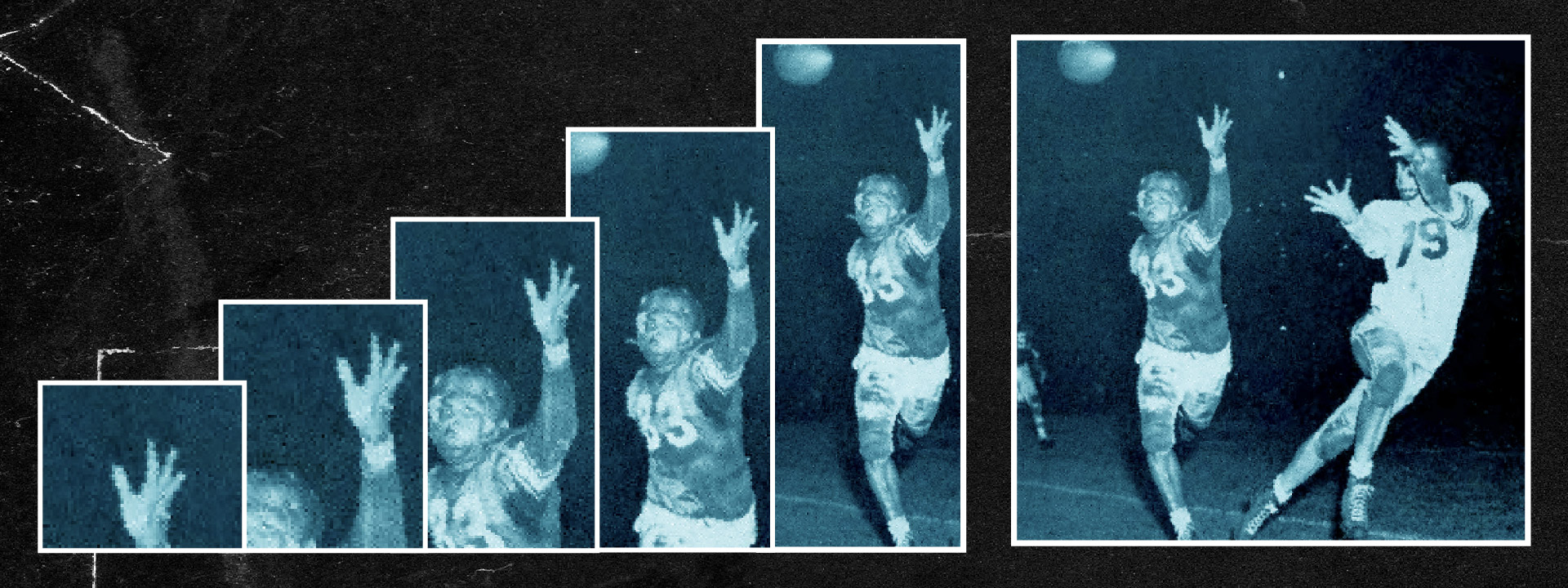
As the season went on, the Black teammates were not permitted to stay in some hotels with the rest of the team. Often, the university had to call ahead to make arrangements with local Black families to put up Toler and Matson, says Bruce Matson, one of Ollie Matson’s sons. On the field, plays were called back for no reason. Toler and Matson were kicked and punched outside the bounds of play.
“He said he never got beat up so bad in his life as he did playing football,” says Ollie Matson III, another son.
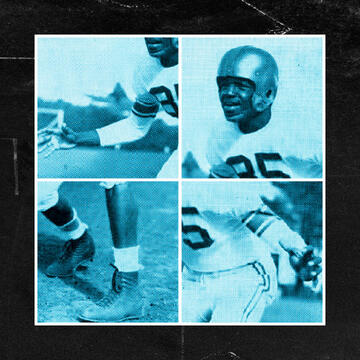
Toler, who is often cited as the most talented of the ’51 Dons, was co-captain of the team.
“You didn’t see many Black players playing center or linebacker [as Toler did] in those days, and he was a team captain, which told you how respected he was,” says Toler’s son, Greg Toler MA ’95, who earned a degree in sport management at USF.
The teammates’ commitment to one another was forged during two-a-day practices in Corning, California, where Coach Kuharich drove them relentlessly in the 100-degree heat, as the ’51 Dons teammates recounted when they were interviewed decades later for the ESPN documentary.
Gino Marchetti, a 26-year-old veteran of the Battle of the Bulge, wanted to leave training camp so badly that he said he’d return to war rather than play college football. The team talked him into staying.
“We were like a band of brothers after that,” said St. Clair.
You didn’t see many Black players playing center or linebacker [as Toler did] in those days, and he was a team captain, which told you how respected he was.”
Greg Toler MA ’95 Toler’s son
But attendance at USF football games had declined by 80 percent, and despite having its best team in history, the program was on the chopping block. Pete Rozelle, who graduated from USF in 1950, was the program’s 25-year-old sports information director.
Rozelle visited the four major newspapers in San Francisco at the time and spread the word about the team. As he sought publicity, Rozelle told the press that USF needed to play in a bowl game to keep the program alive.
The team kept winning, defeating top-ranked Fordham University in New York, and winning its last game against Loyola University in Los Angeles. The teammates celebrated their undefeated season on the train ride back to San Francisco, convinced they would get a bowl game offer and save the football program at USF.
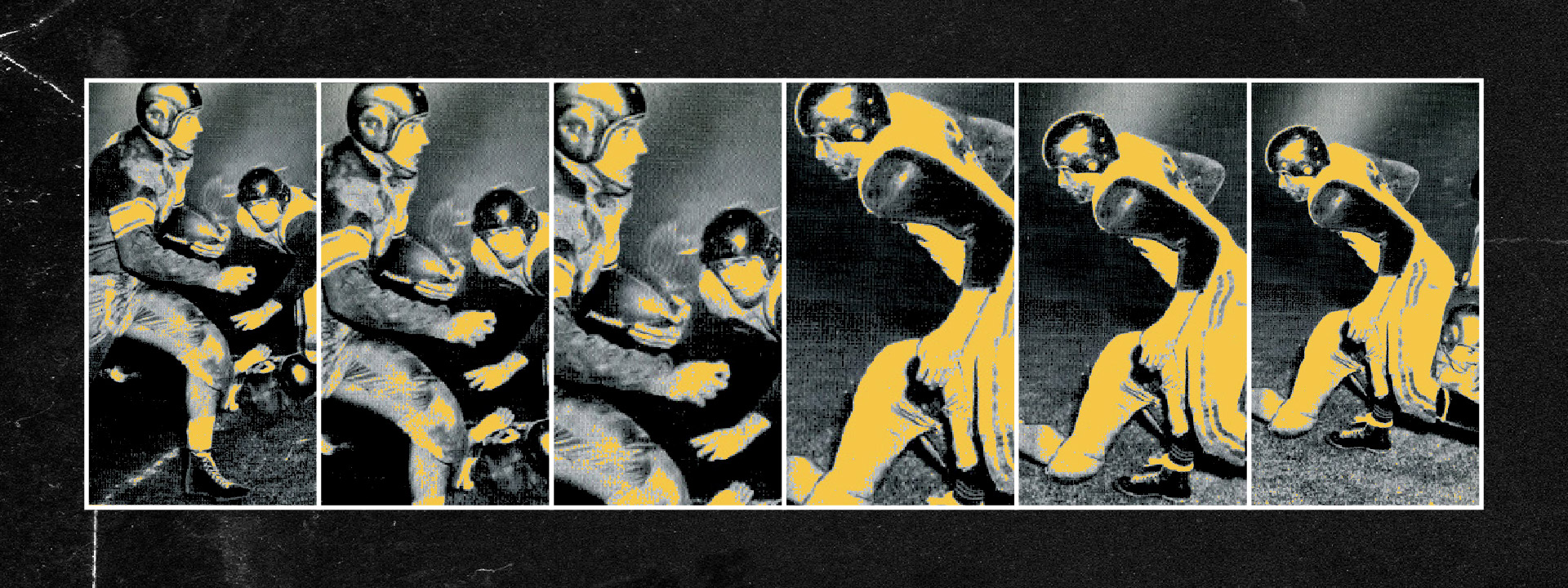
They drank the train out of beer by Bakersfield, one player recalled. They sang “Good Night, Irene,” a song their fans had taken to singing at games as they waved handkerchiefs at the losing teams.
Coach Kuharich met the players at the train station and relayed the news: They could play in the Orange Bowl under one condition. Only the white players could go.
“This is crazy,” St. Clair recalled. “We’re not going to accept that. There’s no way. I mean, these are our teammates.”
Later, Orange Bowl organizers denied inviting USF, despite the team being ranked 13th in the nation and going undefeated. But Jet magazine later reported that the 1951 president of the Southern Conference, Sam Wolfson, had made an agreement with organizers of the Orange and Sugar bowls to keep Black players out of the games, Clark says.
The behind-the-scenes deal by Wolfson was corroborated in reporting by a Bay Area broadcaster named Ira Blue, according to NFL News. Later, a 1990 Sports Illustrated article also investigated the Orange Bowl snub.
Davis, the producer of the ESPN documentary, says he has no doubt the bowl invitation was made. More importantly, he says, the decision bonded the team for life.
“It is a testament to USF, which gave them the roots and the wings. They never forgot where they came from,” Davis says.
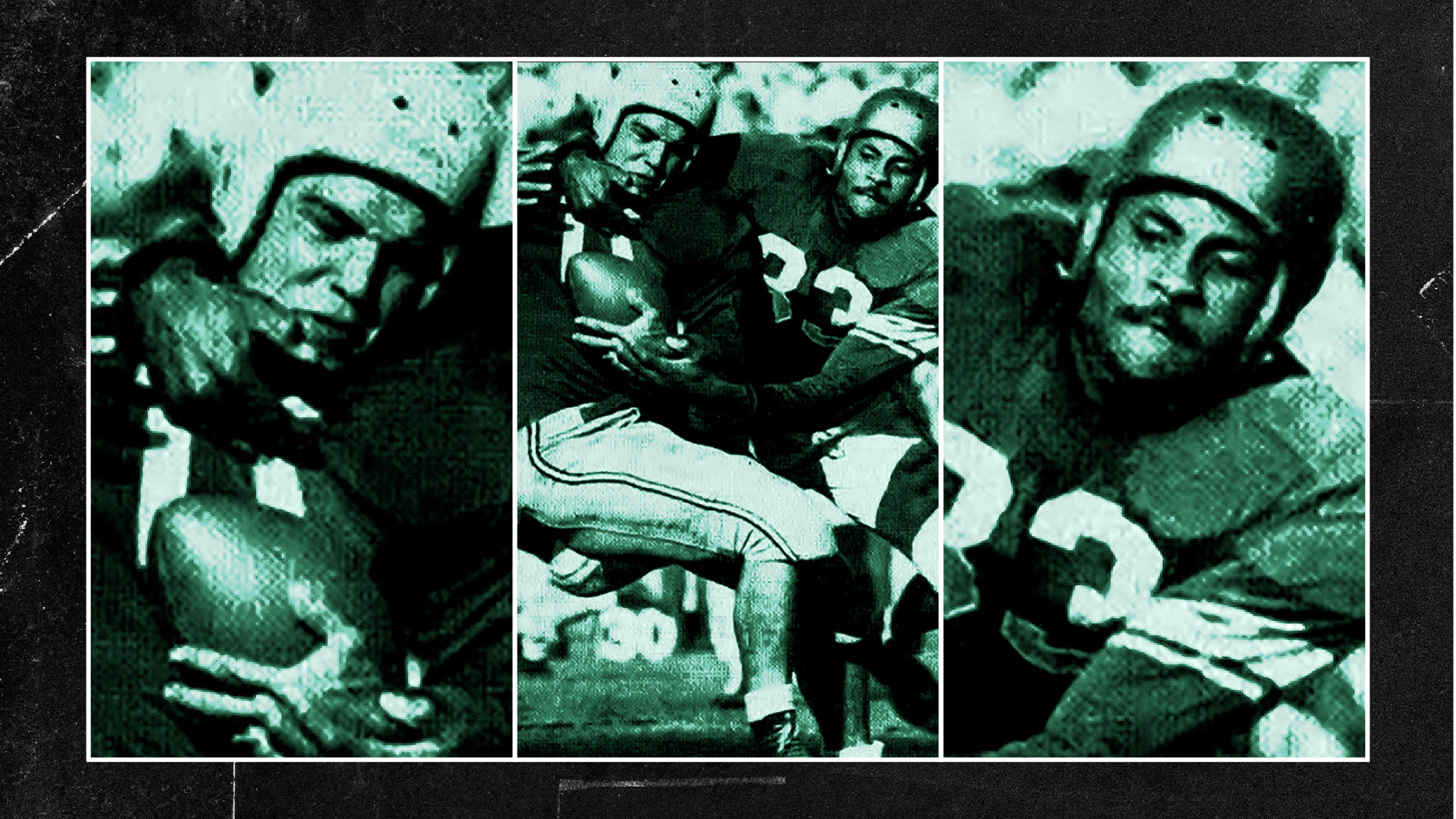
In the years and decades afterward, the teammates gathered at christenings, birthdays, weddings, and at reunions at USF. Johnny Mathis, who narrated the ESPN documentary, sang at Ollie Matson’s wedding. The teammates went on to great success in the NFL, in education, and — in Pete Rozelle’s case — as commissioner of the NFL for nearly 30 years.
Coach Kuharich went on to become an NFL head coach for 11 seasons. His son, Bill Kuharich, says he believes his father’s greatest achievement was coaching the USF team in 1951. “They have so much pride in what they did together,” Bill Kuharich told the NFL News in 2016. “You have to remember that these were 19- and 20-year-old kids who made these decisions.”
Davis, the documentary producer, agrees.
“They didn’t really think it was special. I think they would all to a man say it was the right thing to do. I don’t think they knew what they were doing would resonate three quarters of a century later.”