Asia Pacific Perspectives
This issue examines a diverse range of topics including missionary relations with the Chinese Nationalist Party in the early 1900s as they implemented increasingly militarized physical education programs, the Chinese YWCA's 1926 turn to rural work, the emergence of “youth culture” in South Korea in the 1970s, and the experiences of overseas Filipino workers returning from the Gulf States.
Missionary Body Politics
Article by Cory Willmott
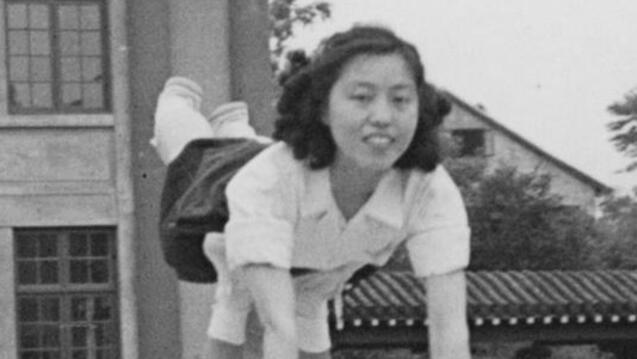
From 1905 to 1928, social gospel missionaries in Sichuan had been the most ardent supporters of new Chinese government physical education curricula. After 1928, however, local politics dominated by warlords and secret society members provided a unique environment for these policies to play out.
Modern Youth or Moral Decadence
Article by Thibaut Diverchy
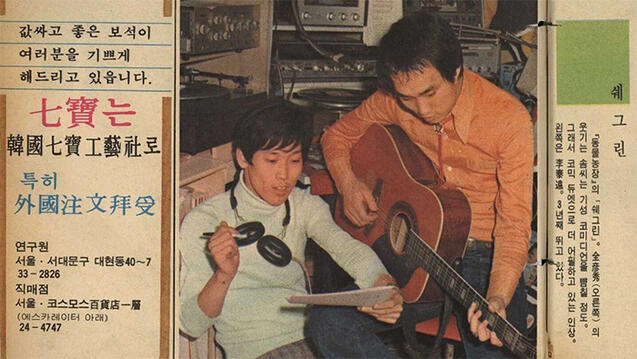
The cultural phenomenon known as “youth culture” (ch’ŏngnyŏn munhwa) emerged in South Korean society at the turn of the 1970s. It encompasses Western fashion trends, music genres, leisure and nightlife. Labeled as a foreign and decadent trend by the authorities, this so-called counterculture was the target of repeated crackdowns.

Going to the Countryside
Article by Elizabeth Littell-Lamb
During the Republican era (1911-1949), Christian missionaries and Chinese reformers engaged in rural reform and reconstruction. The YWCA joined in that effort, but unlike other reform programs, they were singularly focused on rural women. They used a grassroots approach, depended on the initiative of rural YWCA secretaries, and insisted their rural programs become locally led and locally funded.
Source: Dept. of Special Collections and University Archives, Stanford University Libraries, Stanford, California.
Affective Infrastructures of Migration in Mindanao, Philippines
Photo Essay by Marion Breteau
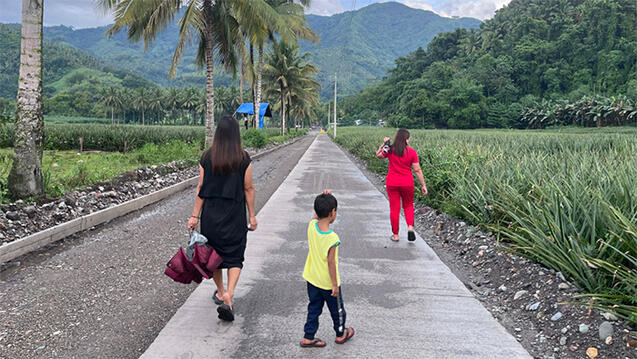
This photo essay explores the affective infrastructures that sustain and shape return migration between the Philippines and the Arab Gulf states. Rather than addressing migration as a linear trajectory, the essay presents it as processual, and encrypted in houses, debts, bodies, aspirations, and memories.

Spirit Power, by Heonik Kwon and Jun Hwan Park
Book Review by Jieon Yoo
Spirit Power’s central question, how General Douglas MacArthur, the iconic commander of the Korean War, came to be worshipped as a deity in Korean shamanism, might initially appear as a curiosity. Kwon and Park show instead that this question opens onto a triangular history linking American-led Protestant evangelicalism, Korean shamanism, and the political orders of Japanese colonialism and the Cold War.
Inside Chinese Theater, by Nancy Yunwha Rao
Book Review by Jiyoon Auo
What if we approached nineteenth-century American history from a different vantage point — one that places Chinese migrants not at the margins, but at the center of cultural and urban transformation? Nancy Yunhwa Rao answers this question by showing how infrastructure — specifically, the cultural institutions through which Chinese migrants organized sound, space, and public life — moved through and actively shaped American urban, sensory, and musical life.
Being Korean, Becoming Japanese? by Hwaji Shin
Book Review by Ray Matsumoto
Minority populations in Japan are often described as “invisible,” a perception rooted in the myth of Japan’s ethno-racial homogeneity. In Being Korean, Becoming Japanese?: Nationhood, Citizenship, and Resistance in Japan, Hwaji Shin challenges this narrative by foregrounding the experiences of Koreans in Japan, so-called “Zainichi Koreans.”
Publish with Us
Contribute to a peer-reviewed, interdisciplinary journal.
Explore Past Issues
Browse past issues of Asia Pacific Perspectives, featuring research, articles, photo essays, and book reviews covering topics across the Asia Pacific.

Vol. 19, No. 1
This issue highlights new research in the field of Asia Pacific Studies today, ranging from studies on Billiken to South Korea’s newly invented term, taehanoegugin and more.
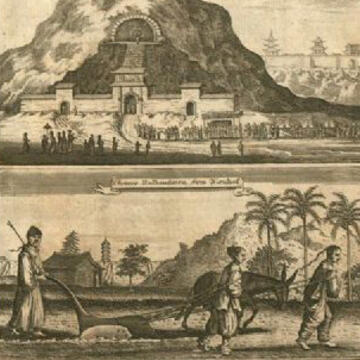
Vol. 18, No. 2
In this special issue, the journal highlights the latest research by scholars studying the history of population control in East Asia and the contemporary demographic challenges facing East Asian nations today.
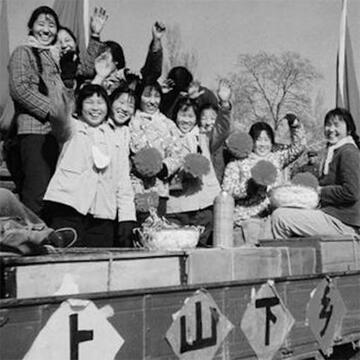
Vol. 18, No. 1
This issue showcases the research of a new generation of scholars in Asia Pacific Studies. These articles were first presented at the Asia Pacific Perspectives Junior Scholar Writing Workshops (AY 2022-23).
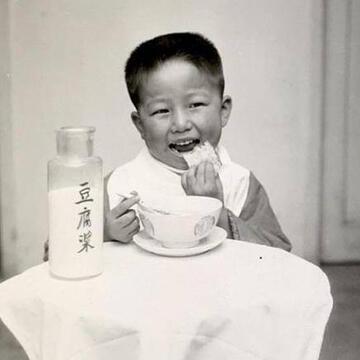
Vol. 17, No. 1
This issue showcases the resilience and creativity of scholars doing research and writing about the Asia Pacific during the COVID-19 pandemic.
Vol. 16, No. 2
We present the multifaceted ways in which scholars in the humanities and social sciences are looking at food and culture in the Asia Pacific.