
Fundamentals of Writing for Young Readers
Build a strong foundation in writing for children and young adults. Learn core craft elements across all formats from picture books to young adult novels through hands-on workshops and industry insights.
Designed With You in Mind
This foundational certificate program provides comprehensive training in writing for children and young adults. Through writing workshops, focused craft lessons, and conversations with industry professionals, you'll develop your own projects while building essential skills in character, plot, structure, voice, pacing, and audience awareness.
Perfect for Beginners: Aspiring writers who want to write children's books but don't know where to begin will find the structured guidance and foundational skills they need to start their journey.
Efficient Skill Building: Emerging writers who want to improve their craft in a focused and efficient manner will gain practical techniques through hands-on exercises and peer feedback.
For Illustrators Too: Illustrators who want to grow as writers will learn how text and image work together to create compelling stories for young readers.
Industry Understanding: Learn how the publishing industry works through guest presentations by experts.
MFA Foundation: This certificate is housed in USF's MFA in Writing for Young Readers and provides an excellent foundation for those interested in pursuing further studies.
All Formats Covered: Explore the full range of children's literature formats from board books to young adult novels and understand which format suits your story best.
Industry Growth: The children's and young-reader publishing sector is one of the fastest-growing segments of the book industry, with projected market size increasing from over $11 billion in 2024 to nearly $19 billion by 2032.
Source: Future Market Report
Course Information
Schedule: 10 weeks, one 2.5-hour session per week
Dates: Tuesdays, September 29 – December 8, 5–7:30 PM PT (no classes Thanksgiving week)
Format: Online, synchronous (live sessions)
Time Commitment: Weekly sessions plus reading and writing assignments
Prerequisites: None — open to all aspiring writers
CEUs: 2 continuing education units
Cost: $1,195, $795 for USF alumni, $750 for USF students

Meet Your Instructor
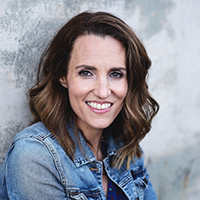
Jolie Stekly is a veteran instructor of writing for young readers at the University of Washington and the Society of Children's Book Writers and Illustrators. Her short story "Ghosts Around These Parts" appears in the anthology 50 Haunted States. Jolie is also a freelance editor, writing coach, and public speaker with extensive experience guiding emerging writers in the craft of storytelling for young audiences.
What You'll Accomplish
When you earn the Certificate in Fundamentals of Writing for Young Readers, you will:
- Gain understanding of the various formats in children's and young adult literature (picture books, early readers, middle grade, and young adult novels) to understand which stories suit each format.
- Develop an idea, turning inspiration into drafted manuscript pages.
- Construct key elements of plot by incorporating essential story elements including conflict, rising action, climax, and resolution tailored to children's and teen literature.
- Gain understanding of character development, focusing on the key elements of character desires, needs, and transformation.
- Provide and receive constructive feedback through structured peer workshops, demonstrating skills in thoughtful critique and professional revision practices.
- Begin a portfolio containing either one or more picture book manuscripts or the opening chapters of a middle grade/young adult novel with a plot outline.
Course Components
-
Examine how form shapes story across the spectrum of children's literature — from the sensory constraints of board books to the emotional complexity of YA novels. Learn to match narrative ambition to format, understanding how page count, illustration, reader development, and market expectations inform structural and stylistic choices.
-
Develop a framework for evaluating picture books as a collaborative art form where text and image create meaning together. Analyze pacing, page turns, visual narrative, and the text-illustration relationship in acclaimed picture books to guide your own creative work.
-
Build a practical toolkit for crafting compelling narratives for young readers. Learn to develop authentic characters, structure plot with appropriate complexity, choose effective point-of-view, craft distinctive voices, and write natural dialogue.
-
- The Writer's Guide to Crafting Stories for Children by Nancy Lamb
- Writing Picture Books: A Hands-On Guide from Story Creation to Publication: The Revised and Expanded Edition, by Ann Whitford Paul (Required for students writing picture books)
10-Week Curriculum Overview
-
-
Course overview and expectations
-
Myths and misconceptions about writing for young people
-
Understanding age categories and reading levels: board books through young adult
-
Identifying your target audience and how it shapes every decision
-
Standard manuscript formatting
-
-
- Understanding the formats, from board books to young adult novels
- What makes a story right for each format: content, themes, and complexity
- Inspiration and ideas
- Moving from ideas to story
- Establishing peer critique expectations and guidelines
-
-
The unique elements of picture books
-
Rules for writing picture books, and the books that break them
-
Picture books as a microcosm for longer stories
-
The illustrator-author relationship: what to specify and what to leave open
-
Peer critique
-
-
-
Plot and structure
-
Plotters vs. pantsers
-
Beginnings, middles, and ends
-
Critical elements of plot: conflict, rising action, climax, resolution
-
Peer critique
-
-
-
Character, the engine of plot
-
A look at character desire, need, and transformation
-
Tools to get to know your character(s)
-
Peer critique
-
-
-
Mentor text analysis and techniques to understand your story better
-
Story mapping using storyboards, graphs, and spreadsheets
-
Peer critique
-
-
-
Voice, definitions, and considerations to get us started
-
POVs: 1st, 2nd, omniscient
-
Advantages and challenges of each POV
-
Psychic distance: zooming in and out
-
A look at POV at work in various work for young readers
-
Peer critique
-
-
-
Understanding the principle and when it applies
-
Setting, actions, sensory information, and dialogue as tools of showing
-
When telling is actually better than showing
-
Common "telling" words to watch for
-
Peer critique
-
-
-
The four kinds of endings
-
Hazards and rules of endings
-
Endings as a way of finding the beginning
-
Peer critique
-
-
-
Student readings of creative work
-
Course reflection
-
What's next: resources for ongoing learning and community
-
Earn an MFA at USF
-
Write books for young readers in a two-year, low-residency program. Study any form and genre, from picture books to young adult novels, nonfiction, graphic novels, and poetry.
-
Join our community. Raise your voice. Write with your heart. Write for justice.