
Campus Life
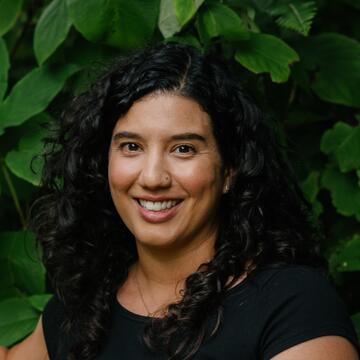
Why did you choose USF’s MFA in Writing?
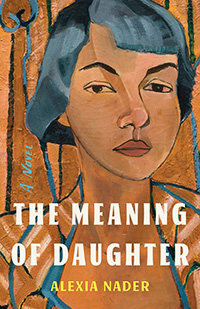
I chose USF's MFA in Writing program because I was convinced that working one-on-one with a mentor for my thesis would help me more than anything else I could do. I was right! I worked with Stephen Beachy for the first semester of thesis work and Laleh Khadivi for my final semester of thesis work. By the time I graduated, I had a strong draft of the first third of The Meaning of Daughter. But the most important thing they helped me cultivate was my confidence in my decisions about my own work. If it weren’t for the time I spent under their wings, I would not have been able to finish the rest of the novel once I graduated. I’ve stayed in touch with both of them, and they’ve continued to be incredibly generous with their support and care for my writing.
What have you been up to since graduation?
When I graduated, I was pregnant with my first child, and I had a second around two years after my first. While my sons were infants, I wrote whenever I could, which often meant that I went months without writing anything at all. I wrote the second part of my book in a burst, over the course of two months. The third part of my book, the ending, took considerably longer. Meanwhile, I worked as a creative writing teacher, first at USF as a Teaching Fellow, then for a nonprofit organization called Writopia Lab and at Ruth Asawa School of the Arts in the Creative Writing Department. At Ruth Asawa, I help mentor high school seniors as they complete their senior theses — chapbooks of poetry, novellas or short story collections. I use a lot of what I learned being on the other side of the process at USF to help my students now!
What advice would you offer to current MFA students?
I think the MFA is a great place to experiment with your writing and writing process. You’ve already taken such a brave step by dedicating time and resources to enrolling in a MFA program. Be that brave about the writing itself; take major risks, not minor ones! Also, read as much as you can and as widely as you can. Whenever you get reading suggestions in a workshop, or a person says that a certain book reminds them of your work, take the suggestion seriously. Write them down before you forget, make a list, and read all of them. A reading suggestion might be the most valuable feedback you get on your work.

