
AI & Data Ethics
Learn to spot, question, and reduce the risks in real AI systems before they reach real people.
AI and data-driven systems now shape hiring, health care, lending, policing, and the apps on your phone. The people who build, buy, and govern these systems make ethical decisions every day, often without noticing. This certificate in data ethics and responsible AI helps you notice them, and gives you the tools to act.
Over five interactive evening sessions in downtown San Francisco, you'll take real AI systems apart and look for the risks: algorithmic bias, privacy harms, security gaps, and the downstream effects nobody planned for. You'll analyze a real criminal-justice algorithm, sit on a mock ethics review board, try to break a generative AI model on purpose, and imagine where today's technology could lead if no one asks the hard questions.
This isn't a course that hands you a list of rules. It gives you the frameworks, vocabulary, and practice to reason through hard calls yourself, and to explain your reasoning to your team, your leadership, and the people your work affects.
No coding experience is required. Some familiarity with how AI and data products work will help you get more out of the discussions.
Who This is For
- Professionals who build, manage, or buy AI and data products: engineers, data scientists, product managers, and designers
- Policy, legal, privacy, compliance, and risk professionals who need to evaluate AI systems
- Researchers, educators, journalists, and nonprofit leaders working on technology's impact on society
- Current students and early-career professionals who want to understand AI's risks, not just its features
- Anyone moving into responsible AI, AI governance, or trust and safety
What You Will Learn
By the end of the certificate, you'll be able to:
- Spot the risks in AI and data systems. Identify ethical, social, and security risks, including algorithmic bias, privacy harms, misuse, and downstream effects on society.
- Reason through hard calls. Apply ethical theories and structured decision-making tools to real case studies, and justify a responsible course of action.
- Connect technical choices to real outcomes. See how decisions about data collection, model design, deployment, and evaluation metrics can cause harm or prevent it.
- Make the case for responsible AI. Turn your analysis into practical recommendations for fairer, safer, more accountable systems, and communicate them to technical and non-technical audiences.
Course Information
- Format: In person at USF Downtown Campus, 101 Howard Street, San Francisco
- Dates & Schedule: Tuesdays, February 16 to March 16, 2027, 6:00 to 9:00 pm PT
- Estimated Commitment: Five interactive sessions, plus short activities to complete before each session
- Prerequisites: None. No coding experience required
- Continuing Education Units: 1.5
- Cost: $1,195; $795 for USF alumni, faculty, and staff; $395 for current USF students

Course Content
-
Build a shared vocabulary and the core ethical frameworks you'll use all course to reason through hard calls in AI and data work.
-
Take apart a real criminal-justice risk-assessment algorithm and debate what "fair" should mean when the stakes are people's lives.
-
Explore how AI systems expose personal data and create security gaps, then try to break a generative AI model on purpose.
-
Sit on an ethics review board, weigh the evidence, and decide whether a real-world AI product should ship.
-
In a Black Mirror-style writers' room, imagine where today's technology could lead if no one asks the hard questions, and what it would take to change course.
Please note: Topics may be adjusted to reflect current developments in AI.
Meet Your Instructor
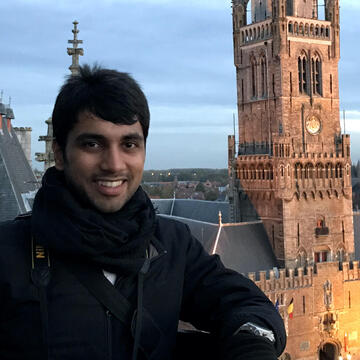
Shubham Atreja is an Assistant Professor of Data Science and AI at the University of San Francisco, where he teaches AI ethics in the MS in Data Science and AI program and directs its Data Engineering concentration. He brings deep experience designing computing technologies in both industry and academia, and understands how these systems shape human behavior and society. He holds a PhD in Information Science from the University of Michigan.
Why This Program Matters Now
AI is moving from research labs into everyday products faster than most organizations can assess it. Teams are being asked to ship AI responsibly, often without anyone trained to say what "responsibly" means in practice. At the same time, governments and standards bodies are writing new rules for AI and data use, and organizations need people who can work where technology meets its effects on people.
Located in downtown San Francisco, in the middle of the AI industry, this certificate gives you a practical, discussion-driven way into that work, alongside a cohort of people asking the same questions.
Pair It With Applied Agentic AI
Learning to build AI agents? Our Applied Agentic AI Certificate teaches you how. This one teaches you to ensure what you build earns people’s trust.
Ready to go further? Explore the MS in Data Science and AI at USF.
Data Institute
San Francisco, CA 94105
Mon-Fri, 9 a.m. - 5 p.m.